Guide

How Does an Egg Incubator Work?

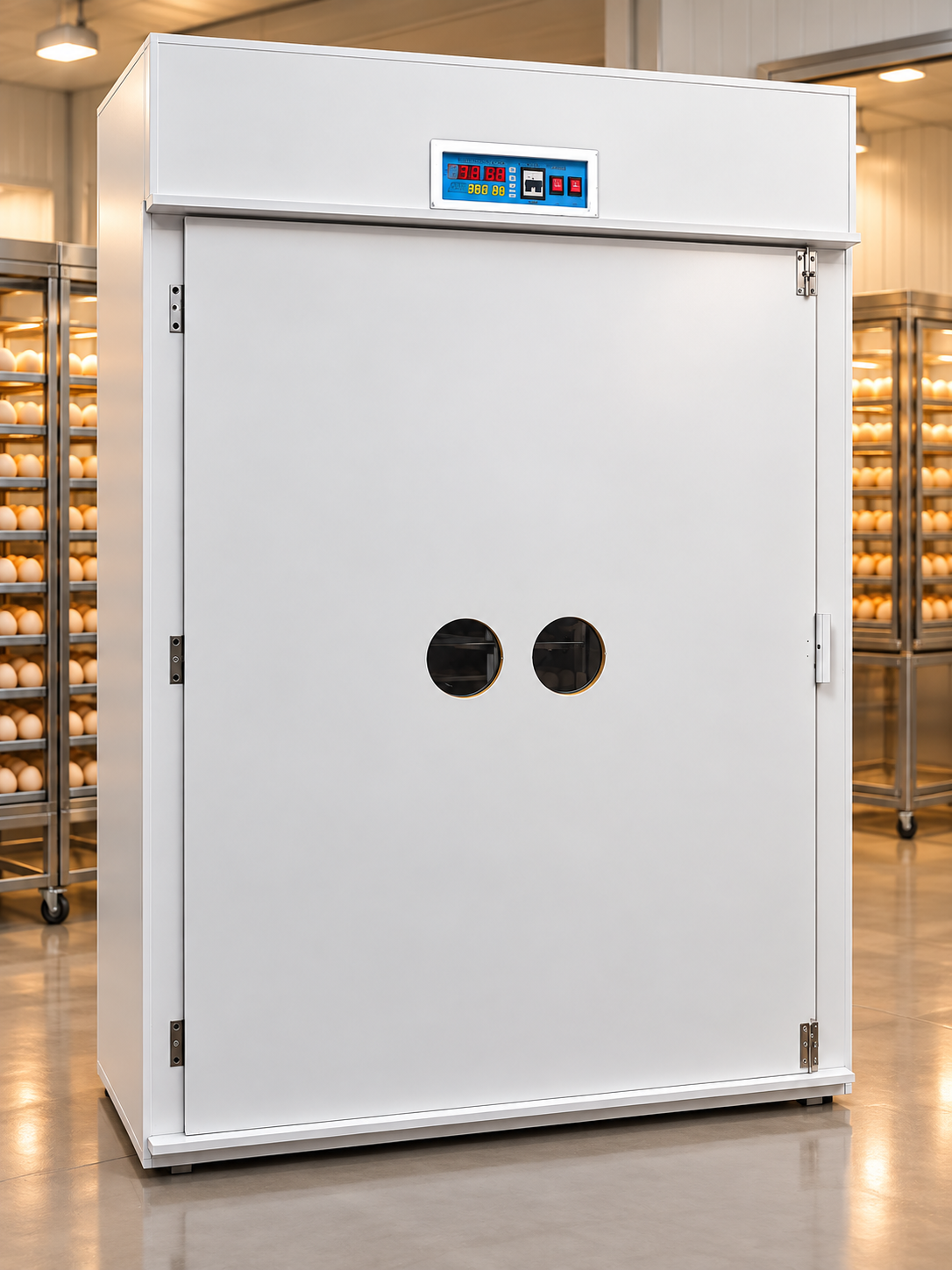
An incubator is a warm, humid box that turns eggs. Six parts make that happen. Knowing what each one does helps you spot a problem before it costs you a hatch.

By the IncubatorPro team Β· Updated 30 September 2026

The principle

A fertile egg needs three things for 21 days (for chickens): steady warmth of about 37.5 Β°C, the right humidity so it loses the right amount of water, and regular turning so the embryo does not stick to the shell. Fresh air matters too, because the embryo breathes through the shell. An incubator provides all four in a controlled box.

The parts of an incubator

  • Cabinet. An insulated box that keeps heat in and outside temperature swings out.
  • Heating element. Makes the heat. Small incubators use a heater wire or element; older and homemade ones use light bulbs.
  • Temperature controller (thermostat). Reads a temperature sensor and switches the heater on and off to hold the set point. Digital controllers are far more stable than the old wafer thermostats.
  • Fan. Moves warm air around every egg so all trays sit at the same temperature. See forced air vs still air.
  • Egg turner and motor. A slow motor tilts the egg trays on a timer, usually every hour or two.
  • Humidity system. Water trays or channels give off moisture; a humidity sensor shows the level, and some machines control it automatically.
  • Vents. Let carbon dioxide out and fresh air in.

How the parts work together

The controller compares the sensor reading to the set temperature. When it is too cool, it switches on the heater; the fan spreads the heat; when the set point is reached, the heater switches off. The heater cycles on and off all day, which is why an incubator uses much less power than its heater rating suggests (see incubator electricity usage). Meanwhile the turner tilts the trays, and water evaporates to hold humidity.

When a part fails

  • Temperature climbing: controller or relay stuck on. Unplug and cool the eggs, then call for support.
  • Temperature dropping: heater, fuse or power supply. Check the plug and power first.
  • Uneven hatch across trays: often a slow or dirty fan.
  • Eggs not tilting: turning motor or its timer.

Own an IncubatorPro machine? Contact us for help under our warranty and after-sales support. Always check readings with a separate thermometer and hygrometer.

Incubators with every part built in

Every model has automatic turning, digital temperature and humidity control and a 2-year warranty. Pay cash on delivery or by EFT.

Best Seller

IncubatorPro 360

360 Egg Capacity
  • Small farms & serious backyard breeders
  • Automatic turning, digital temperature & humidity
  • 2-year warranty
  • Free nationwide delivery
R8,500
πŸ’° Cash on delivery or EFT
Details
Popular

IncubatorPro 720

720 Egg Capacity
  • Small farms & serious backyard breeders
  • Automatic turning, digital temperature & humidity
  • 2-year warranty
  • Free nationwide delivery
R13,000
πŸ’° Cash on delivery or EFT
Details

IncubatorPro 1056

1,056 Egg Capacity
  • Growing small-scale commercial farms
  • Automatic turning, digital temperature & humidity
  • 2-year warranty
  • Nationwide delivery
R15,000
πŸ’° Cash on delivery or EFT
Details
FAQ

Common questions

How does an egg incubator work?+

A controller reads a temperature sensor and switches a heater on and off, a fan spreads the heat, a motor turns the eggs on a timer, and water trays keep the humidity up.

What are the main parts of an incubator?+

The insulated cabinet, heating element, temperature controller and sensor, fan, egg turner and motor, humidity system and air vents.

Why does my incubator heater keep switching on and off?+

That is normal. The controller cycles the heater to hold the set temperature.

Where can I get parts for my incubator?+

If you bought an IncubatorPro machine, contact us for support. For other brands, ask the seller, because controllers and turning motors differ between makes.