

How Incubation Actually Works
The biology behind temperature, humidity, and turning, and why each one matters to a developing embryo.
Read at Poultry HubAn incubator is a machine that takes over the job a broody hen would otherwise do: holding eggs at a steady temperature and humidity, and turning them on schedule until they hatch. Not every incubator does that job equally well. Here's what to look for, and how IncubatorPro's machines are built to handle it.
An incubator is an enclosed machine that keeps something at a controlled temperature (and usually humidity) so it can grow or develop. The word comes from the Latin incubare, "to sit on" or "to lie on", as a hen sits on her eggs. Today it is used in four main ways:
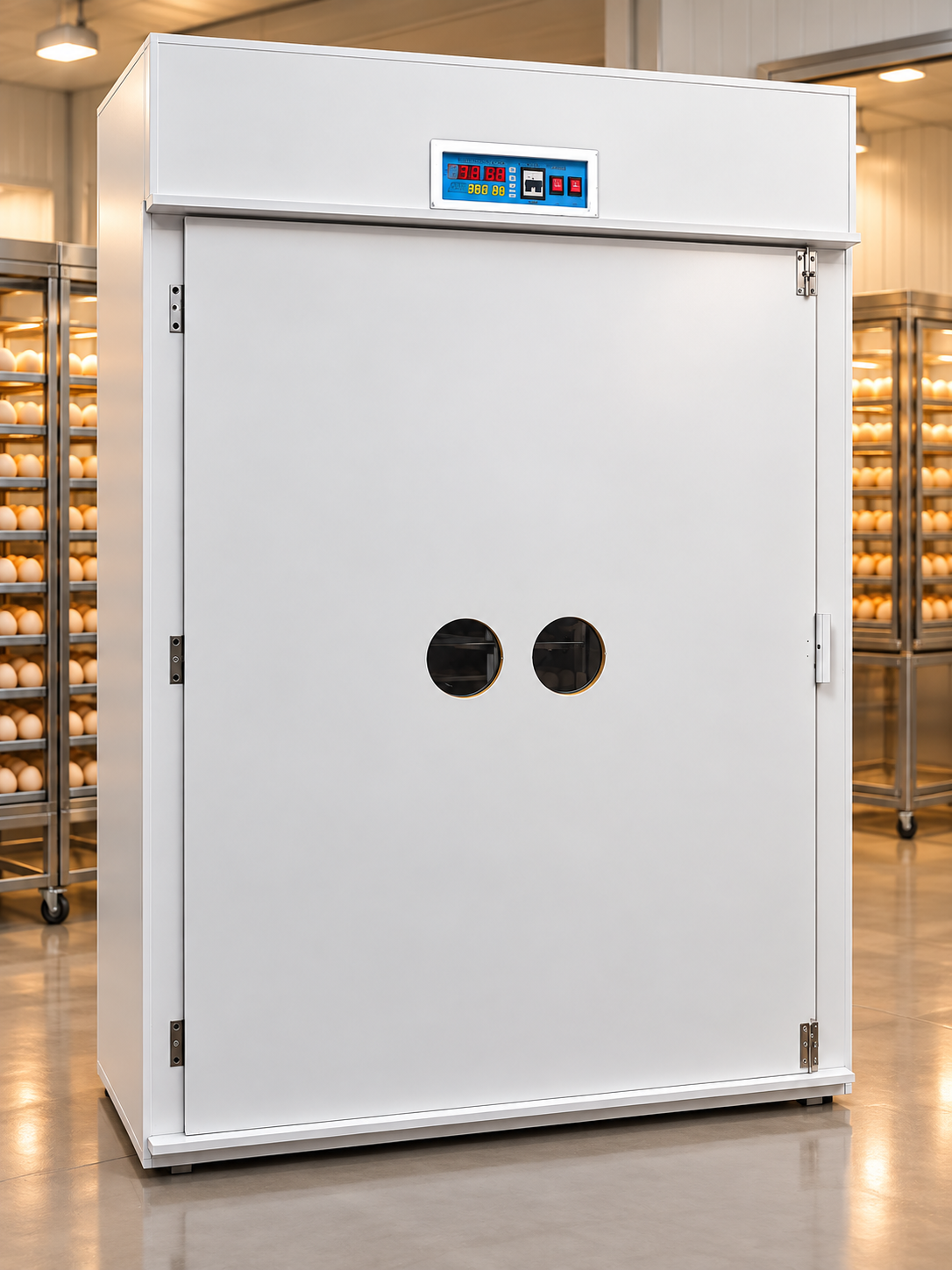
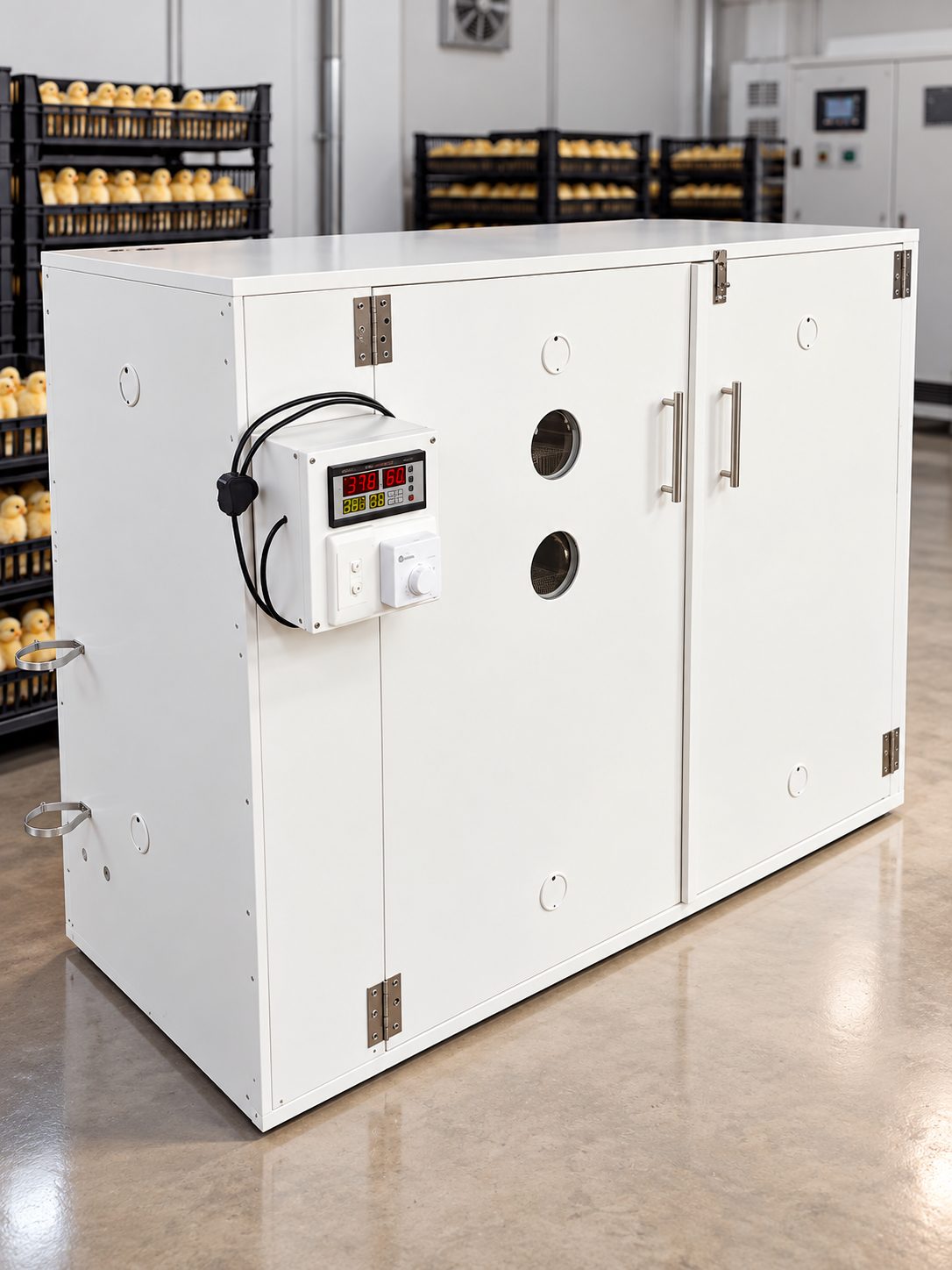
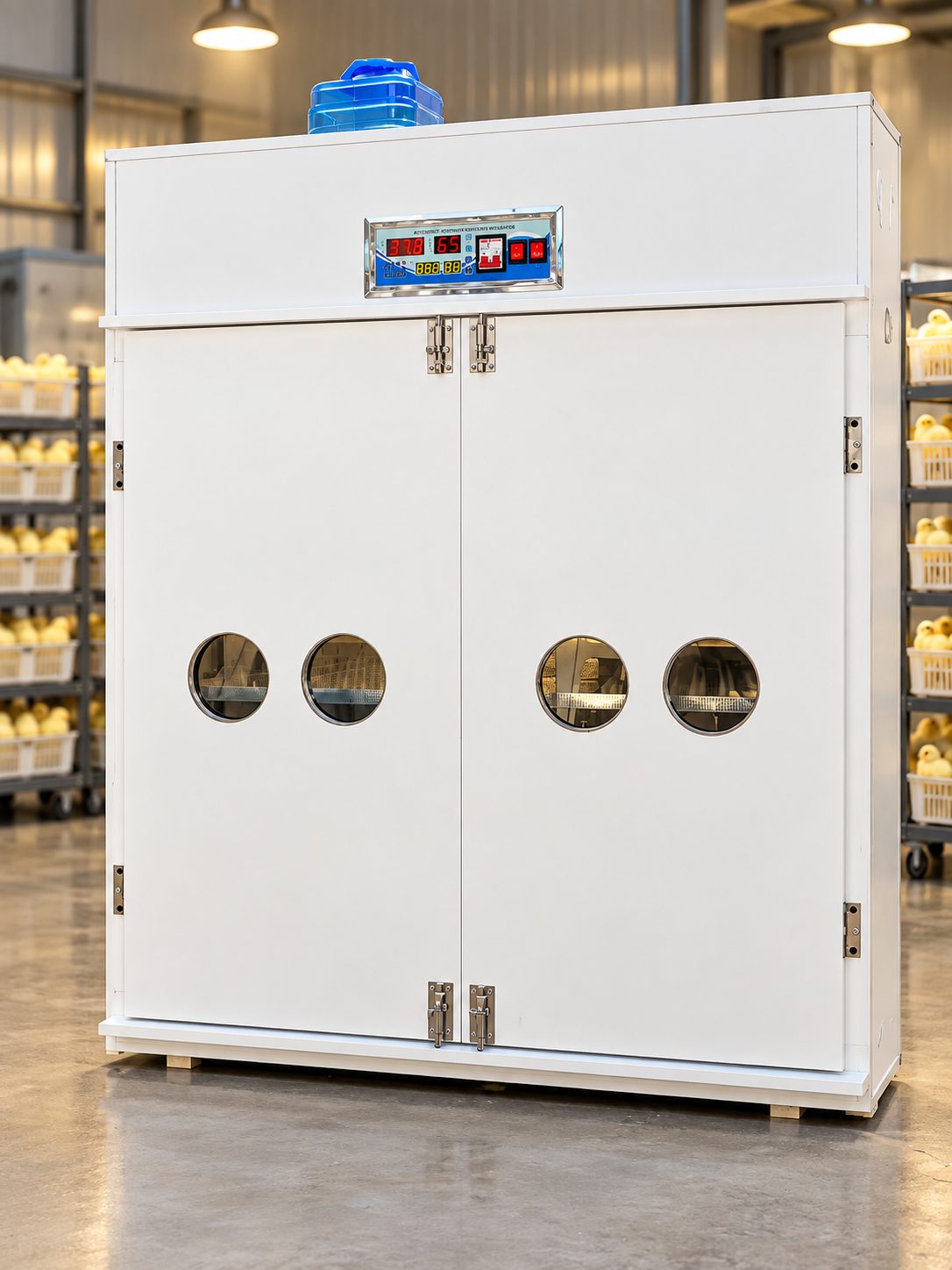
A machine that keeps fertile eggs at about 37.5 °C, holds humidity and turns the eggs until they hatch, standing in for a broody hen. This is what farmers mean by an incubator, and what IncubatorPro makes and sells. See egg incubators for sale.
A clear, warmed cot used in hospital neonatal units to keep premature or unwell newborns warm and protected. It is medical equipment and has nothing to do with poultry.
A heated cabinet used in labs to grow bacteria, cell cultures and other samples at a fixed temperature.
A programme that helps new businesses grow with office space, mentoring and sometimes funding. For poultry farmers looking for support, see funding for poultry farmers.
The rest of this page is about egg incubators: how they work and what separates a good one from a bad one. To compare models and prices, see our incubator range.
A hen sitting on a clutch of eggs keeps them warm, keeps the humidity around the nest steady, and shifts them with her body throughout the day so no single egg overheats or dries out on one side. An incubator is built to do exactly that, mechanically and consistently, for as many eggs as the box can hold. The better the machine controls those three things (temperature, humidity, and turning) the closer your hatch rate gets to what nature would manage on its own.
Two incubators can look almost identical and still perform very differently. A cheap thermostat that drifts by a couple of degrees, or a turning mechanism that jams halfway through the cycle, can quietly wreck a batch without you noticing until it's too late. That's why we build our machines around a digital thermostat, automatic humidity regulation, and a turning system that's tested to keep running through the full incubation period. For general poultry know-how and species-specific guidance, the South African Poultry Association is a solid starting point.
The features that actually move the needle on hatch rates, not just the ones that look good on a spec sheet.
A digital thermostat holds temperature steady to within a fraction of a degree, so there's no more guessing with an old-style dial. Even a small, sustained temperature swing can affect how evenly a batch hatches, which is why we don't leave this to a cheap analog control.
Built-in humidity control keeps conditions steady, even through the drier winter months, so eggs lose moisture at the right rate instead of drying out too fast or staying too damp to hatch cleanly.
The auto-turner rotates eggs on schedule, much like a broody hen would, so embryos develop evenly and don't stick to one side of the shell without you lifting a finger.
A simple digital display shows temperature and humidity at a glance, so you can check in on your eggs without opening the lid and losing heat and moisture every time you look.
Built to run efficiently around the clock for the full incubation period, so it doesn't add much to your electricity bill while it does its job.
Solid housings, tested wiring, and components that hold up to years of daily use, because we manufacture and support these machines ourselves rather than reselling an unsupported import.
If you're comparing machines beyond ours, these are the things worth checking before you buy.
Digital, not a dial, and steady to a fraction of a degree
Consistent conditions, even in a dry winter
Built to keep running for the whole incubation period
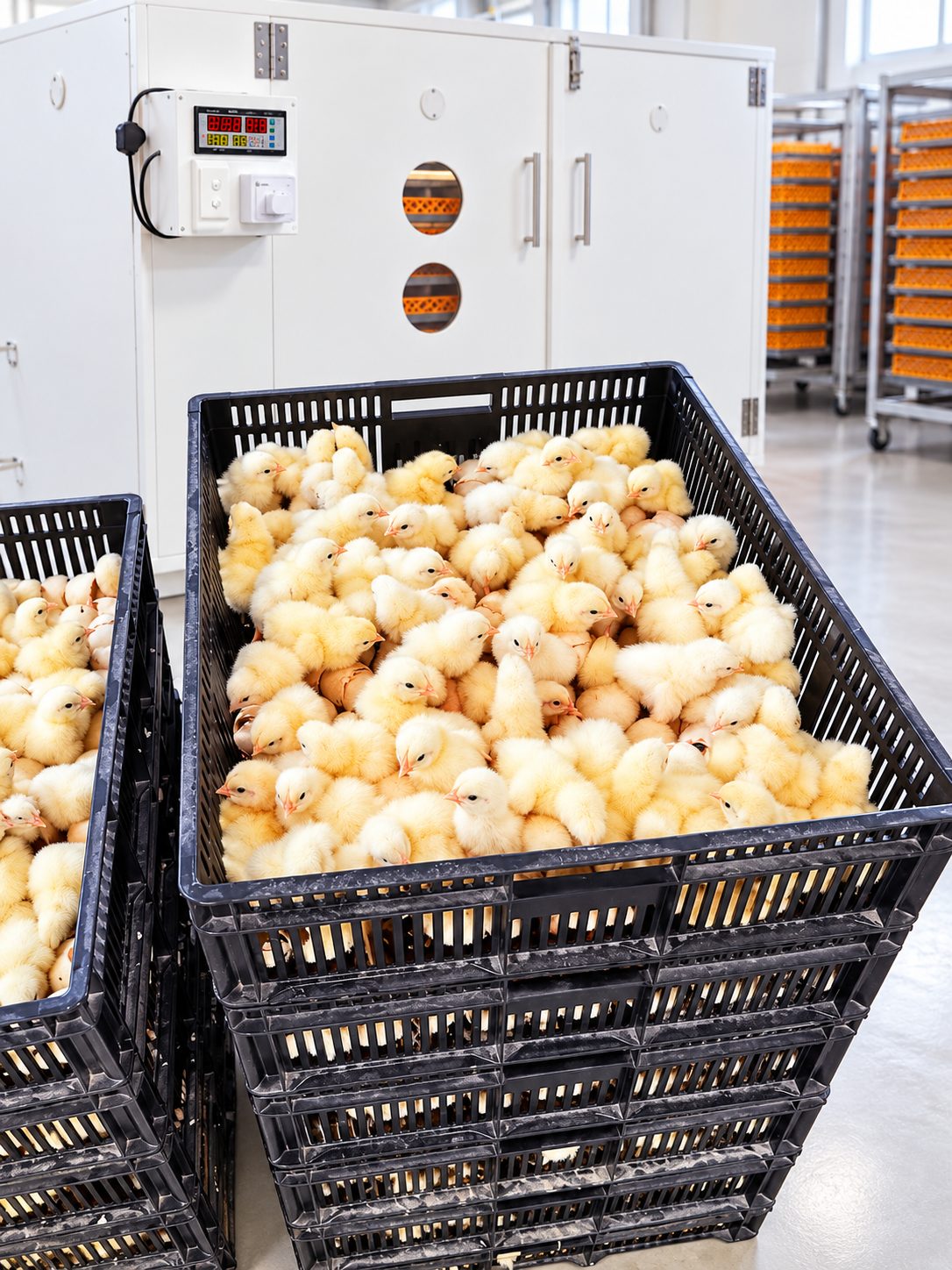
80-90% when eggs are stored and set up correctly
Designed with South African farms in mind, not just an overseas import
2 years, covering the machine itself
Every IncubatorPro machine, small or large, runs the same core technology described above. Here's the full range, from 360 to 20,000 eggs per batch.
See full pricing and delivery details on our incubators for sale page →
A few places worth reading if you want to go deeper before you buy.
The biology behind temperature, humidity, and turning, and why each one matters to a developing embryo.
Read at Poultry HubWhat to weigh up between a small backyard unit and a full commercial machine.
Read at Agriculture PortalBackground on incubation practices used in poultry production worldwide.
Read at FAOThe questions we hear most from people still researching their options.
An incubator is an enclosed machine that keeps something at a controlled temperature, and often humidity, so it can grow or develop. On a farm it means an egg incubator, which keeps fertile eggs warm, humid and turned until they hatch. The word is also used for baby incubators in hospitals, laboratory incubators for growing cell cultures, and business incubators that help start-ups grow.
It replaces a broody hen. It holds eggs at a steady temperature and humidity, turns them on a schedule so embryos develop evenly, and keeps those conditions consistent for the full incubation period without you having to sit over the eggs yourself.
Digital temperature control accurate to a fraction of a degree, automatic humidity regulation, a reliable auto-turning mechanism, and a housing built to hold up under daily use. A digital display so you can check conditions without opening the lid also makes a real difference.
No. Cheaper models often need you to turn eggs by hand several times a day. Ours use an automatic turning system that rotates eggs on schedule, much like a broody hen would, so embryos develop evenly without you lifting a finger.
Duck, quail, pheasant, and most other poultry eggs, usually with the right tray adapters and adjusted settings for the species.
Whether you're comparing incubator technology or just want to talk through what fits your setup, we're happy to help.
Give us a call, send an email, or fill in the form below and we'll get back to you, usually the same day. For general agricultural information, see the Department of Agriculture.
Now that you know what goes into a good incubator, compare all 10 models on price and capacity.