How to Start a Chick Hatchery Business in South Africa
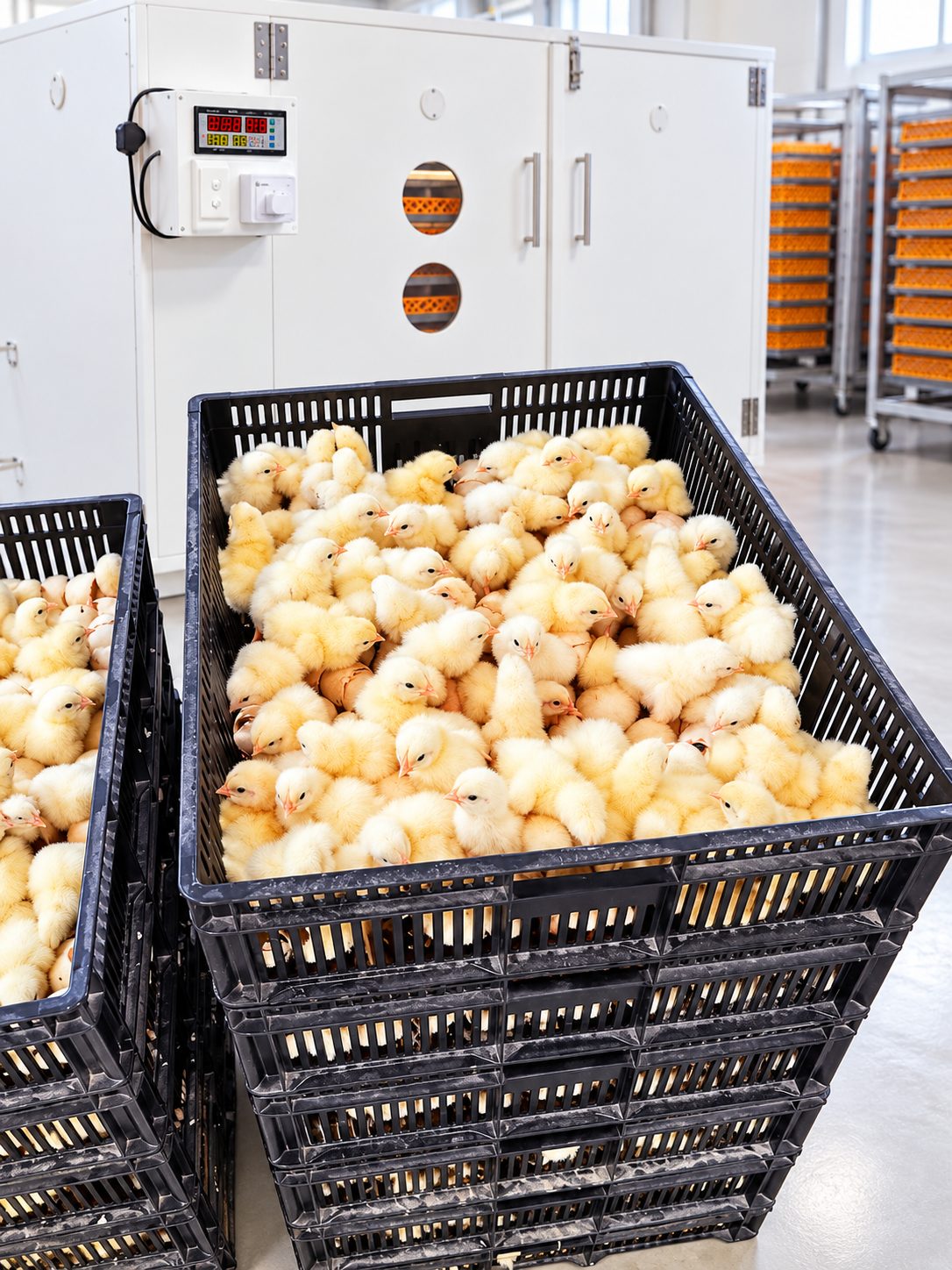
A hatchery turns fertile eggs into day-old chicks every three weeks. Here is how to plan one that sells every chick it hatches.
By the IncubatorPro team · Updated 26 September 2026
1. Find your customers first
Before buying anything, find out who will buy your chicks. Most small hatcheries in South Africa sell to:
broiler growers who raise batches of 50 to a few thousand birds,
households and villages buying indigenous or dual-purpose chicks (Boschveld, Potchefstroom Koekoek, Venda and similar),
small egg producers replacing layers.
Ask them how many chicks they buy, how often, which breed and what they pay. A hatchery with a list of regular buyers is far safer than one that hopes chicks will sell.
2. Secure a reliable supply of fertile eggs
You can keep your own breeding flock or buy fertile eggs from a breeder. Your own flock gives you control over fertility and breed but takes months to build and costs feed every day. Buying eggs is quicker to start but ties your hatch rate to someone else’s flock. Whichever you choose, collect eggs daily, store them cool and set them within about 7 days.
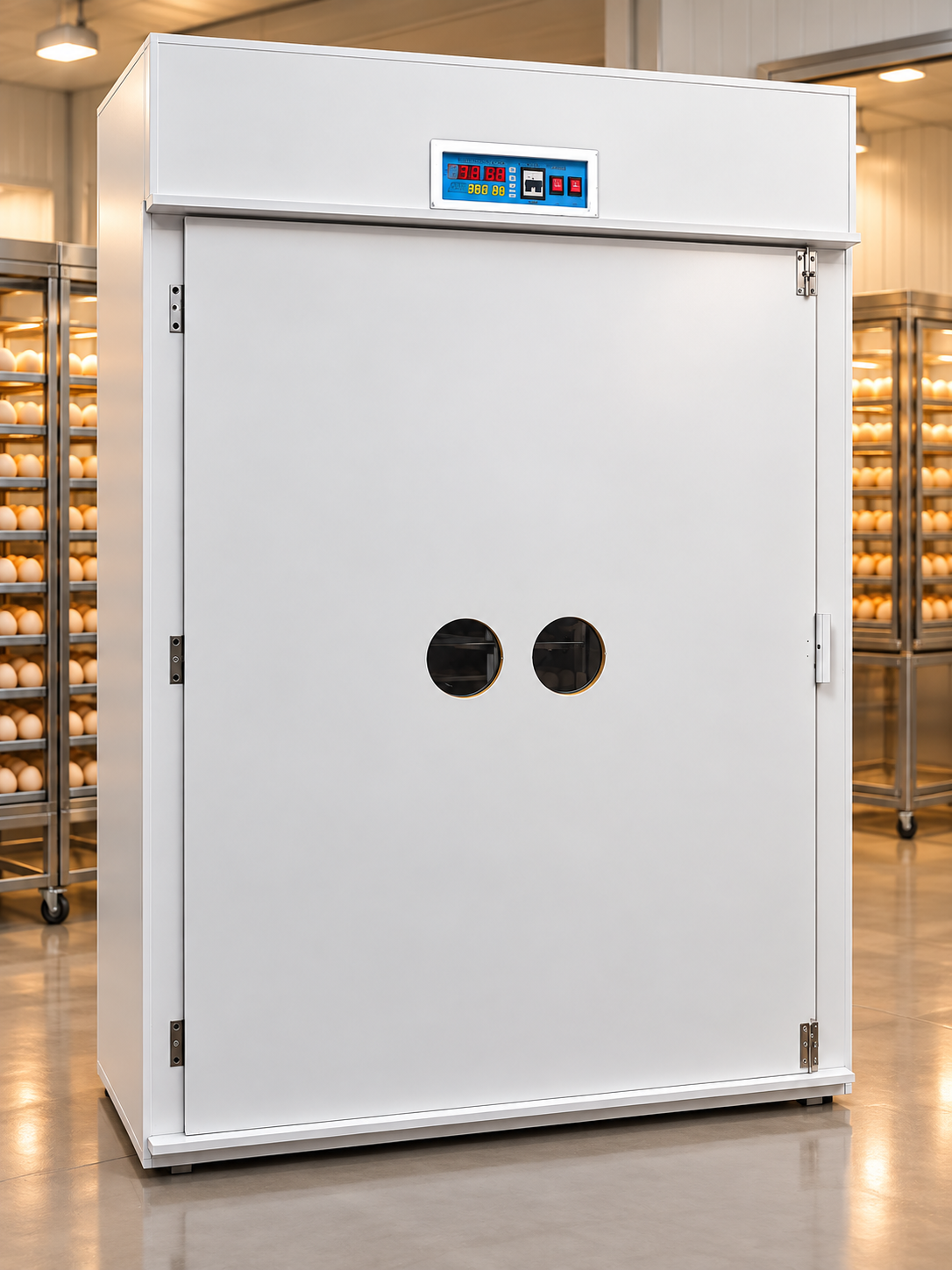
3. Choose the incubator size
Size the incubator to the eggs you can reliably fill, not to your ambitions. As a rough guide at a cautious 75 % hatch rate:
Eggs survive short outages, but a hatchery needs a backup plan: a UPS or inverter, a generator, or solar with batteries. Read hatching during load shedding. Keep the hatchery room separate from your birds, clean and disinfect between batches, and limit visitors. Avian influenza and Newcastle disease are notifiable in South Africa, so speak to your local state veterinarian about any registration or movement rules that apply to selling chicks.
6. Start small, then scale
Run a few batches, keep records of eggs set, fertile eggs, chicks hatched and chicks sold, and only then buy a second machine. Many hatcheries add a separate hatcher once they grow, so the setter can be refilled straight away. Need funding? See funding options for poultry farmers.
Incubators for a new hatchery
Every model has automatic turning, digital temperature and humidity control and a 2-year warranty. Pay cash on delivery or by EFT.