Incubators with automatic egg turning
Every model has automatic turning, digital temperature and humidity control and a 2-year warranty. Pay cash on delivery or by EFT.
Best Seller

IncubatorPro 360
360 Egg Capacity
- Small farms & serious backyard breeders
- Automatic turning, digital temperature & humidity
- 2-year warranty
- Free nationwide delivery
R8,500
💰 Cash on delivery or EFT
Popular

IncubatorPro 720
720 Egg Capacity
- Small farms & serious backyard breeders
- Automatic turning, digital temperature & humidity
- 2-year warranty
- Free nationwide delivery
R13,000
💰 Cash on delivery or EFT
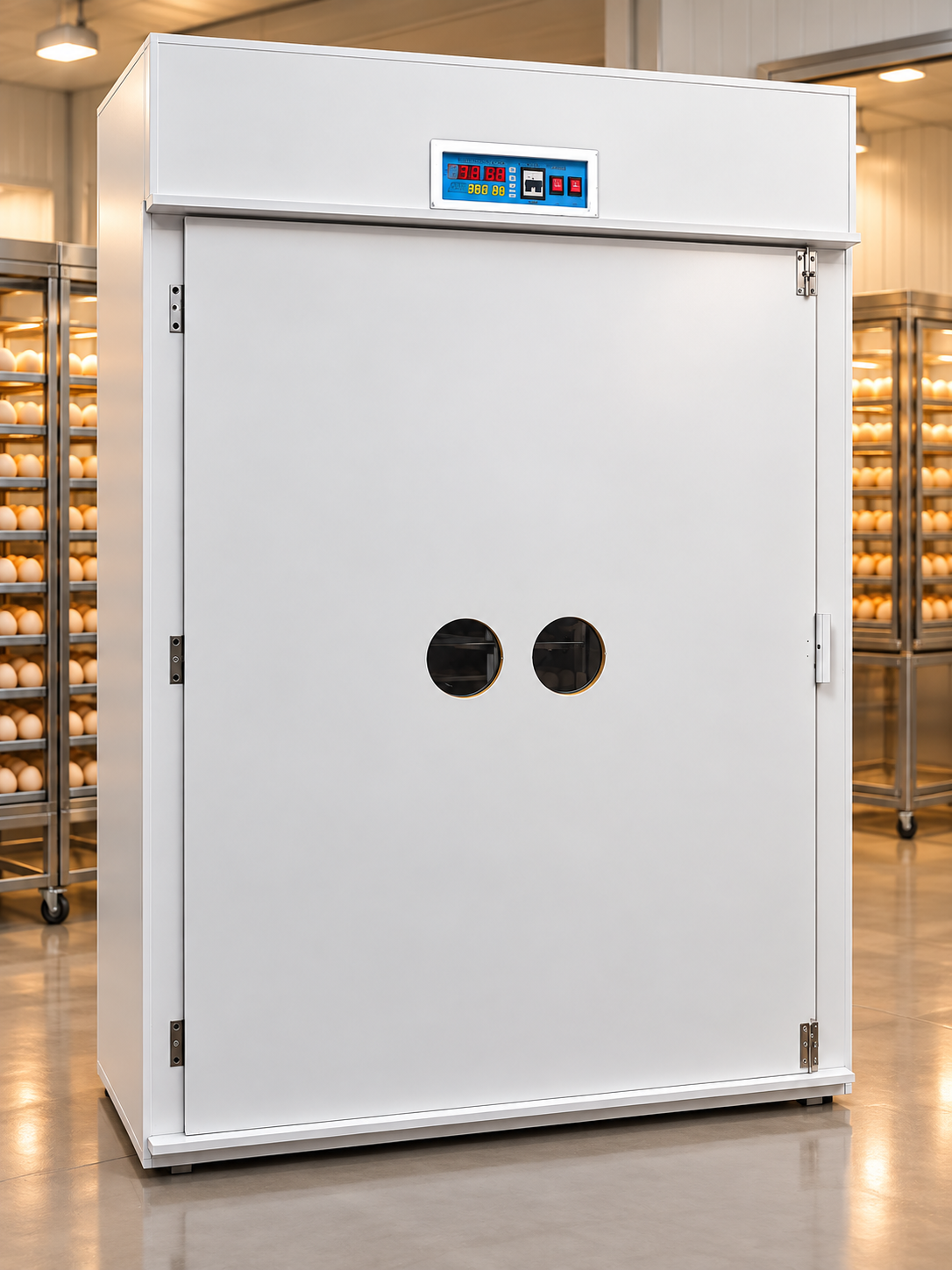
IncubatorPro 1056
1,056 Egg Capacity
- Growing small-scale commercial farms
- Automatic turning, digital temperature & humidity
- 2-year warranty
- Nationwide delivery
R15,000
💰 Cash on delivery or EFT