Buying guide

Incubator vs Hatcher: What Is the Difference?

An incubator (setter) grows the embryo; a hatcher is where the chicks break out. Here is when one machine is enough and when a separate hatcher pays for itself.

By the IncubatorPro team · Updated 30 September 2026

Setter and hatcher in plain terms

The setter is the incubator most people picture. It holds the eggs for the first 18 days (for chickens), turning them automatically at about 37.5 °C and 45–55 % humidity.

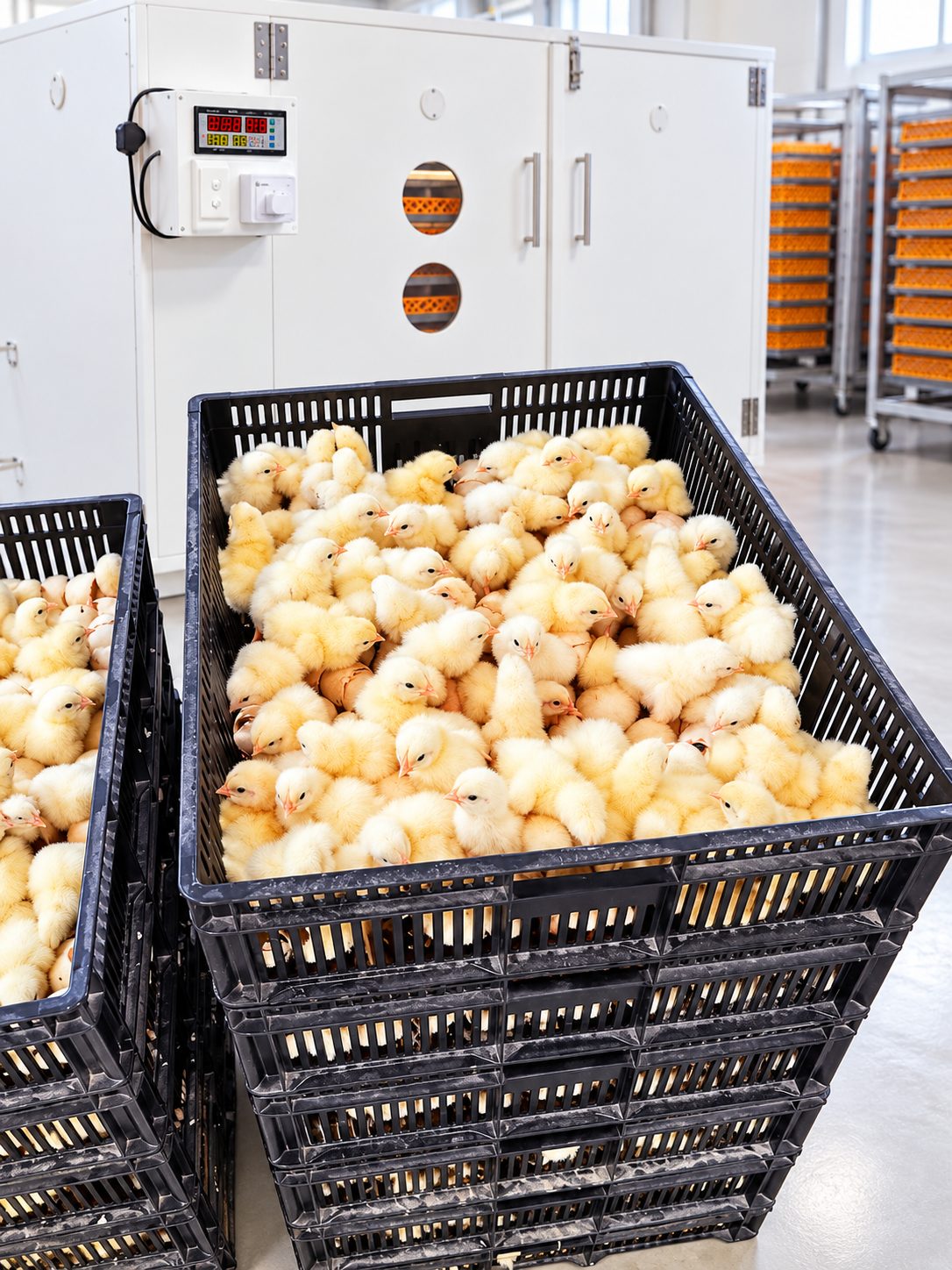
The hatcher takes over for the last three days. Turning stops, humidity goes up to about 65–75 %, and the eggs lie flat in hatching baskets so the chicks can pip, zip and dry off. Hatching is messy: fluff, shell and membrane everywhere.

Do you need a separate hatcher?

No, when you hatch in batches. Most small and medium farms set a full load, run it for 21 days, clean the machine and set again. One incubator does both jobs: you stop turning and raise humidity on day 18.

Yes, when you set eggs every week. If you set new eggs weekly (staggered hatching), the setter must keep turning while older eggs hatch. Then a separate hatcher is needed, because hatching eggs need no turning and higher humidity, and hatch fluff should stay away from the setter.

Moving eggs from the incubator to the hatcher

  • Move eggs on day 18 for chickens (day 25 for Pekin ducks and turkeys, day 14–15 for quail).
  • Warm the hatcher to temperature and humidity a few hours before.
  • Work quickly in a warm room, and candle as you go to remove clear or dead eggs.
  • Lay the eggs on their sides in the hatching basket and close the lid until the hatch is done.

Hatcher hygiene

Clean and disinfect the hatcher after every hatch. Fluff and shell carry bacteria that cause navel infections and weak chicks. See why eggs don’t hatch for the other common causes of poor hatches.

Incubators that set and hatch in one machine

Every model has automatic turning, digital temperature and humidity control and a 2-year warranty. Pay cash on delivery or by EFT.

Popular

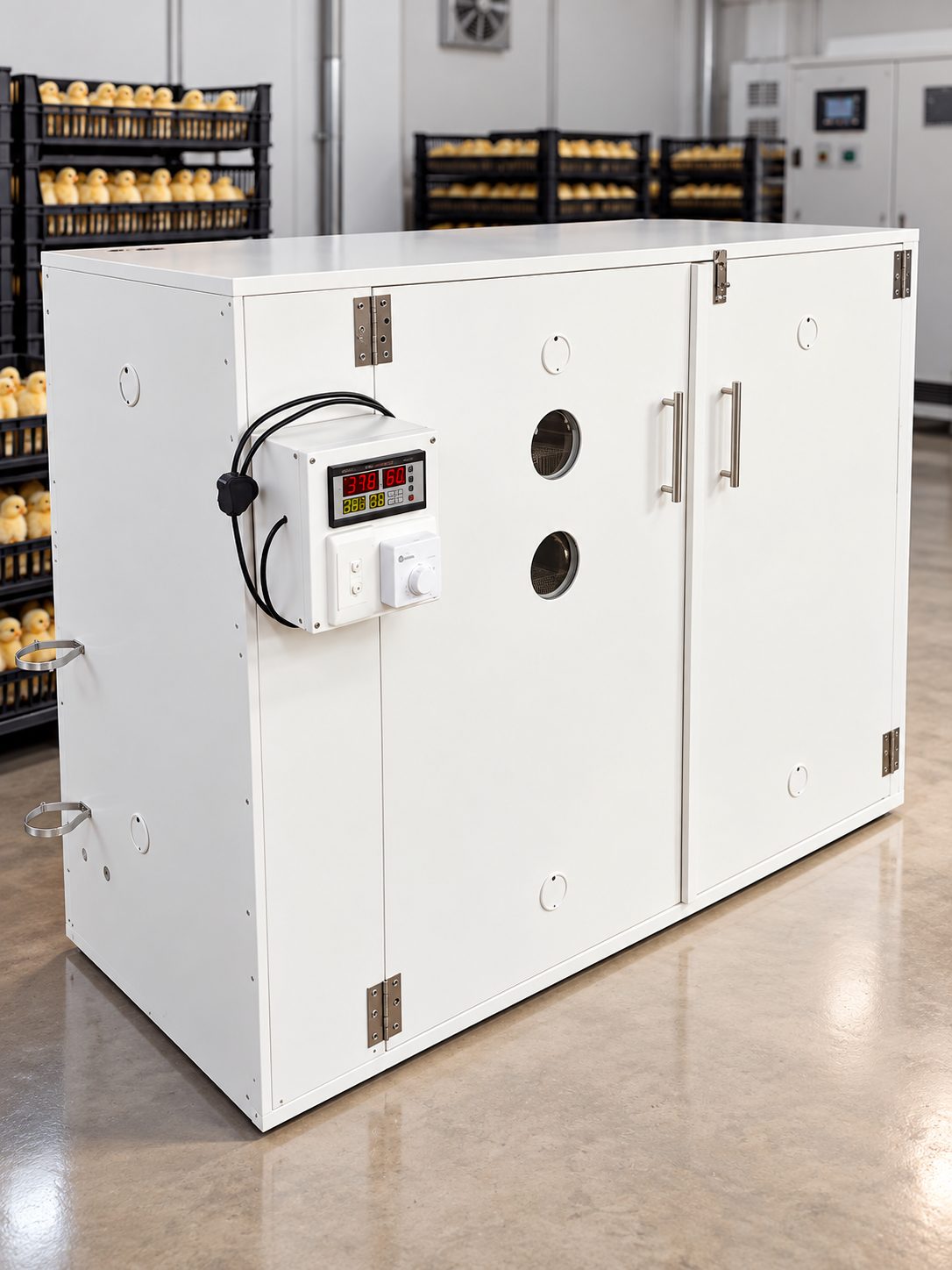
IncubatorPro 720

720 Egg Capacity
  • Small farms & serious backyard breeders
  • Automatic turning, digital temperature & humidity
  • 2-year warranty
  • Free nationwide delivery
R13,000
💰 Cash on delivery or EFT
Details
Great Value

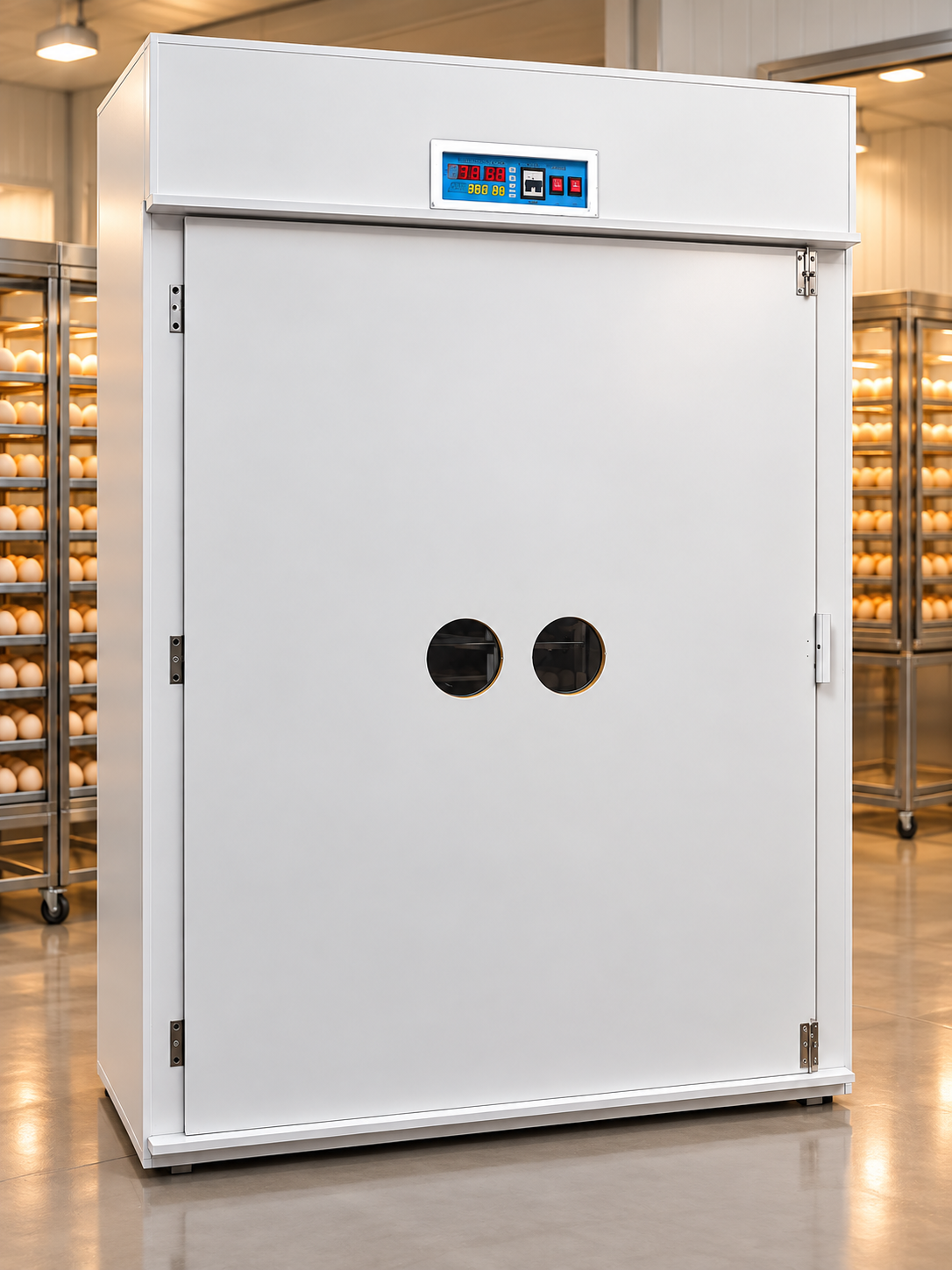
IncubatorPro 1584

1,584 Egg Capacity
  • Growing small-scale commercial farms
  • Automatic turning, digital temperature & humidity
  • 2-year warranty
  • Nationwide delivery
R16,000
💰 Cash on delivery or EFT
Details

IncubatorPro 2900

2,900 Egg Capacity
  • Commercial poultry farms
  • Automatic turning, digital temperature & humidity
  • 2-year warranty
  • Nationwide delivery
R21,000
💰 Cash on delivery or EFT
Details
Commercial

IncubatorPro 5280

5,280 Egg Capacity
  • Commercial poultry farms
  • Automatic turning, digital temperature & humidity
  • 2-year warranty
  • Nationwide delivery
R39,000
💰 Cash on delivery or EFT
Details
FAQ

Common questions

What is the difference between an incubator and a hatcher?+

An incubator (setter) turns the eggs and holds them for most of incubation. A hatcher holds them for the last three days with no turning and higher humidity while the chicks hatch.

Can one machine be both incubator and hatcher?+

Yes. If you hatch one batch at a time, stop turning and raise humidity on day 18 and hatch in the same machine.

When do I move eggs to the hatcher?+

On day 18 for chicken eggs, day 25 for Pekin duck and turkey eggs and day 14 or 15 for quail eggs.